
It is always exciting when seed germinates. As those first tiny spikes of green push through the soil, it’s easy to imagine picking those crunchy veggies, or bunches of herbs and flowers.
Growing your garden from seed has much to recommend it. It is affordable, you can grow as much or as little as you need and it offers a huge choice of flowers and edibles, mainly non-GMO heirloom varieties. Just one packet of seed can supply a season or more of vegetables, flowers or herbs.
There are some do’s and don’ts when growing from seed, but it is not at all complicated says Marlaen Straathof from Kirchhoffs seeds and her advice is ‘Don’t overthink it!’
Here are her tips
- Your best source of information is on the back of the seed packet: It tells you when to sow, whether the plant likes sun, shade or semi-shade, how deep to sow the seed, the time it takes to germinate, final spacing and days to harvest.
- Seed can be sown directly into the soil or into seed trays or small pots. Seed trays work best for fine seed or small quantities of veggies or flowers, also for early sowing in July and August when it is too cold to sow direct into the ground.
- Soil prep is easy. Lightly turn over the soil, break down clumps, remove sticks and stones, add compost and rake level. Seed germinates best in soil with a fine texture (tilth) .
- Once you have sown the seeds, lightly firm down the soil so that the seeds make contact with the soil.
- Wet the soil thoroughly using a mist spray bottle rather than a watering can or sprinkler because the heavier drops of water can displace the seeds.
- Most important! Keep the soil moist during germination.
Even so there are times when the seeds fail to germinate. The most common mistakes, says Straathof, are sowing the seeds too deep, letting the soil dry out during germination or washing the seeds away with heavy watering.
A good rule of thumb is that the sowing depth is the same as the size of the seed, which means the finer the seed the shallower it is sown, with very fine seed simply being sprinkled on the surface of the soil and firmed down to prevent being blown away by the wind.
Weather can also play a role. Heavy prolonged rain can wash away seed or waterlog the beds so that the seeds rot.
In very hot weather the shallow layer of soil above the seeds dries out very quickly. The little growing tips that emerge from the seeds die if they dry out. Water twice a day or cover the bed with shade cloth slightly raised above the bed.
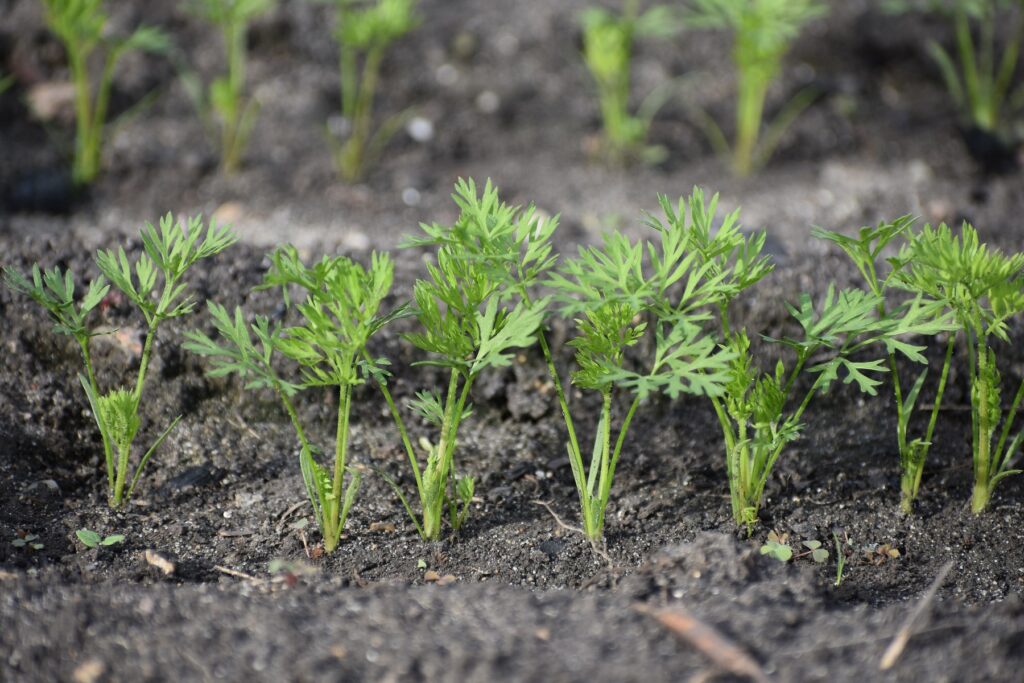
Seeds are up: what to do next
Feed with a liquid fertiliser like organic Margaret Roberts Supercharger and repeat two weeks later.
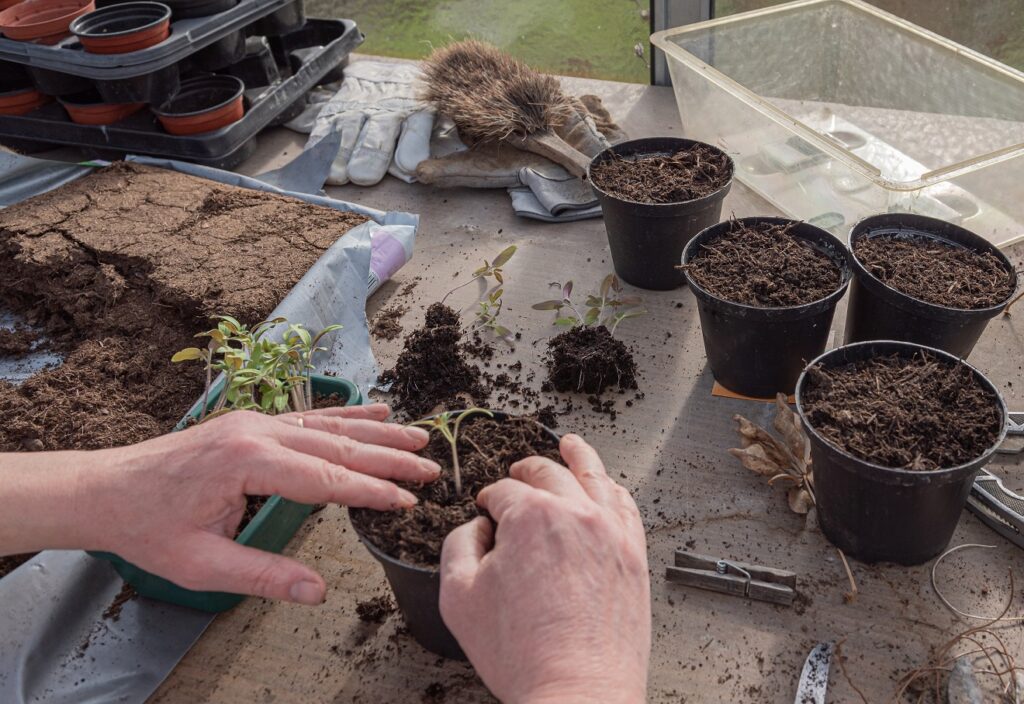
Seedlings in seed trays can be transplanted when they have developed the second set of true leaves or when they are big enough to handle.
When transplanting, disturb the roots as little as possible by keeping a clump of soil around the roots. Follow the spacing recommended on the seed packet.
For plants sown directly into the soil, thinning out is essential, otherwise seedlings compete for water, food and light. Keep the stronger plants and snip off the others at ground level with kitchen scissors.
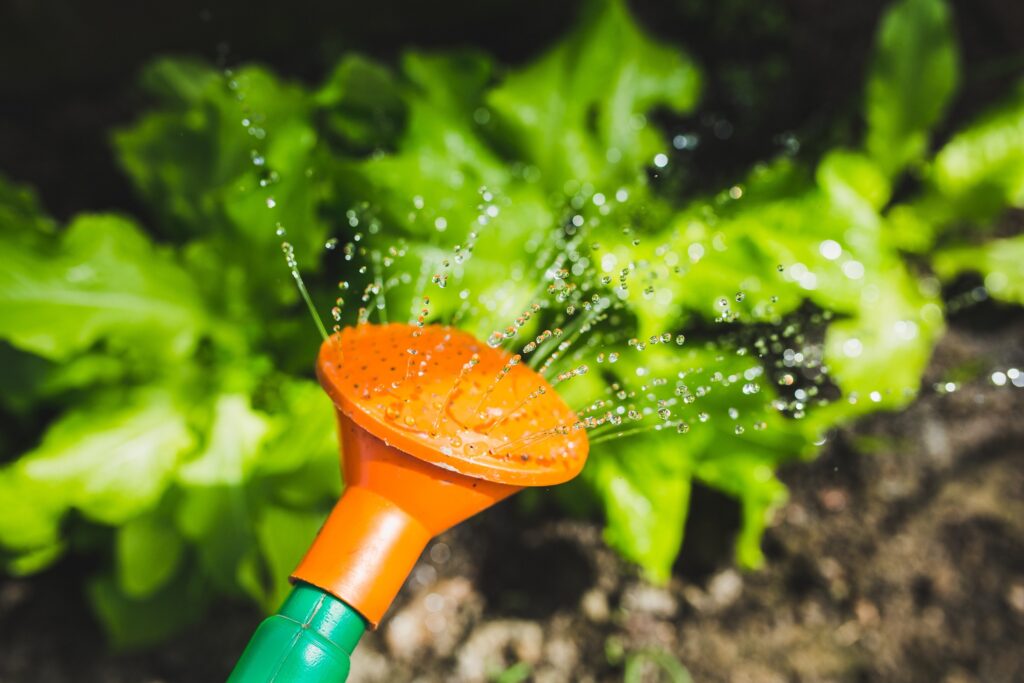
Water regularly, but don’t over water.
Good to know
For seed trays use a germination mix. Make sure it is damp before sowing and place the seed trays in an area with good light, but not direct sunlight.
Create a moist micro-environment bycovering the seed tray with a plastic shopping bag (or clear plastic)This traps in the moisture, reducing the need to water and still allows in enough light for the seeds to germinate. Remove the plastic one the seedlings start to grow.
For more information www.kirchhoffs.co.za or buy seed online from www.gropak.co.za
Article and images supplied by Alice Spenser-Higgs.