
A winter garden that is sunny and sheltered can be remarkably productive, yielding crispy lettuce and other greens, as well as tangy mustard, peas, carrots and beetroot.
Even a pavement garden, pots on a sunny patio or window boxes can provide a satisfying supply of edibles.
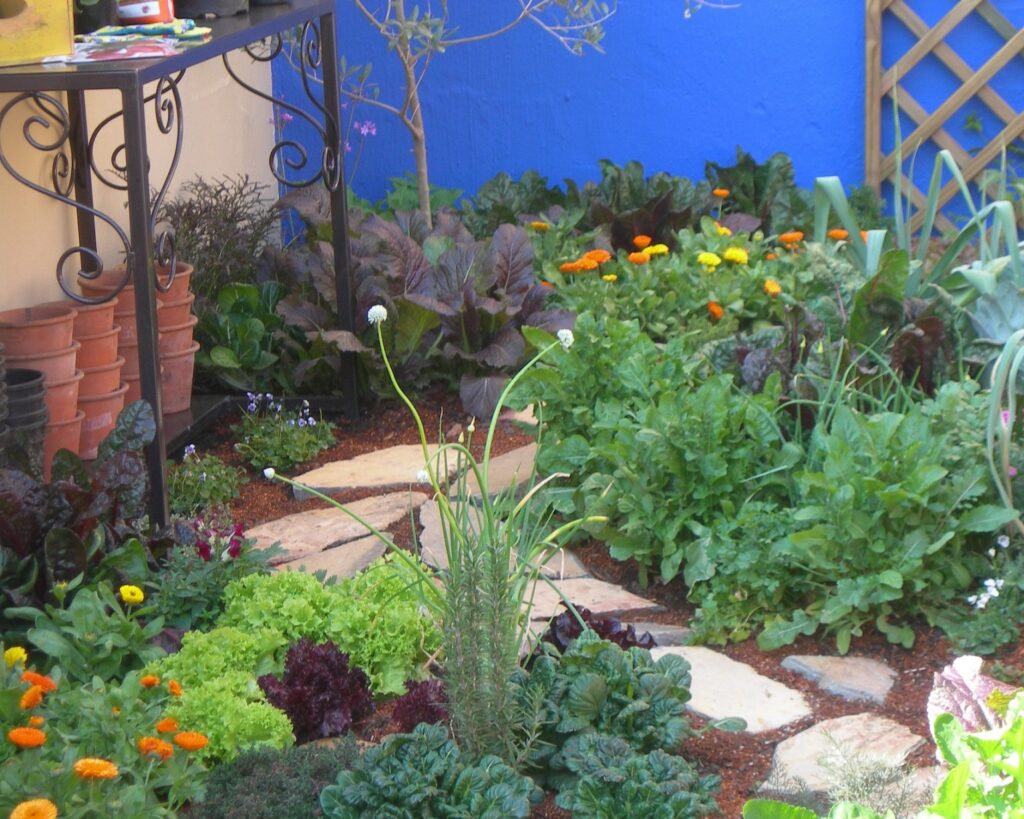
Adding edible flowers like nasturtiums, calendula, pansies and violas pumps up the colour and provides much needed pollen for bees during the cooler months.
March is the sowing window for autumn and winter crops and flowers. If you plan to go big, sowing in situ is perfect but for greater variety in smaller spaces or for pot growth, rather start the veggies in seed trays or egg boxes.
Refresher tips
- For in-situ planting loosen the soil, break down clods of soil and rake out sticks and stones. Seed germinates better in a fine textured soil.
- Sow into moist soil. After sowing, lightly press down the soil and use a spray bottle to spritz the soil. The gush of water from a watering can, may wash away the seeds.
- For seed trays, use a fine germination mix, moisten the mix before sowing and also use a spray bottle to moisten the mix.
- Sow the seeds at the depth recommended on the seed packet. One of the common mistakes is to sow seed too deep.
Edible flowers
Fragrant Viola ‘Cornuta Choice Mixed’ is a top pick as an edible flower; decorative, tasty and nutritious, being high in vitamin C. Sow in seed trays rather than in situ. Once the seedlings have two true leaves they can be planted out.
Calendula ‘Pacific Beauty Mixed’ is an heirloom variety with bright yellow, apricot or orange double daisy like blooms. Sow seed in situ or in seed trays and grow on in full sun. The edible petals can be sprinkled over salads.
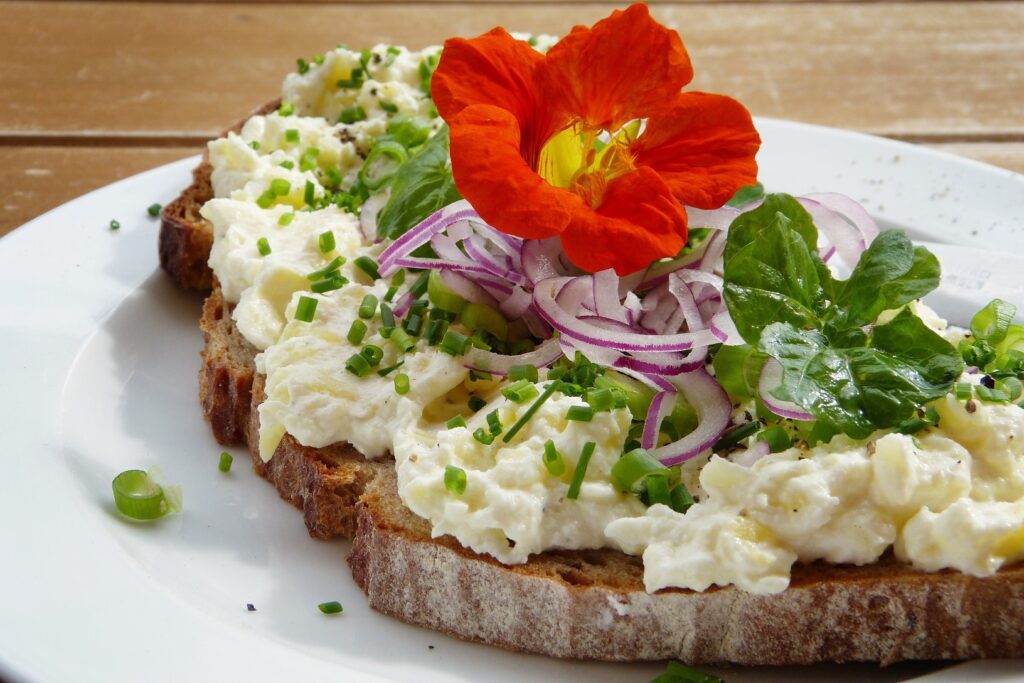
Nasturtium flowers and leaves are edible, both having a peppery flavour. They too can be sown in situ or seed trays. Scarifying the seed by nicking them or rubbing lightly with sandpaper will help with germination.
Nasturtium ‘Alaska’ is a dwarf variety with light green variegated leaves and single flowers in a mix of colours, from yellow to deep red. It is an heirloom variety, that grows best in full sun but needs protection from the frost.
Leafy greens
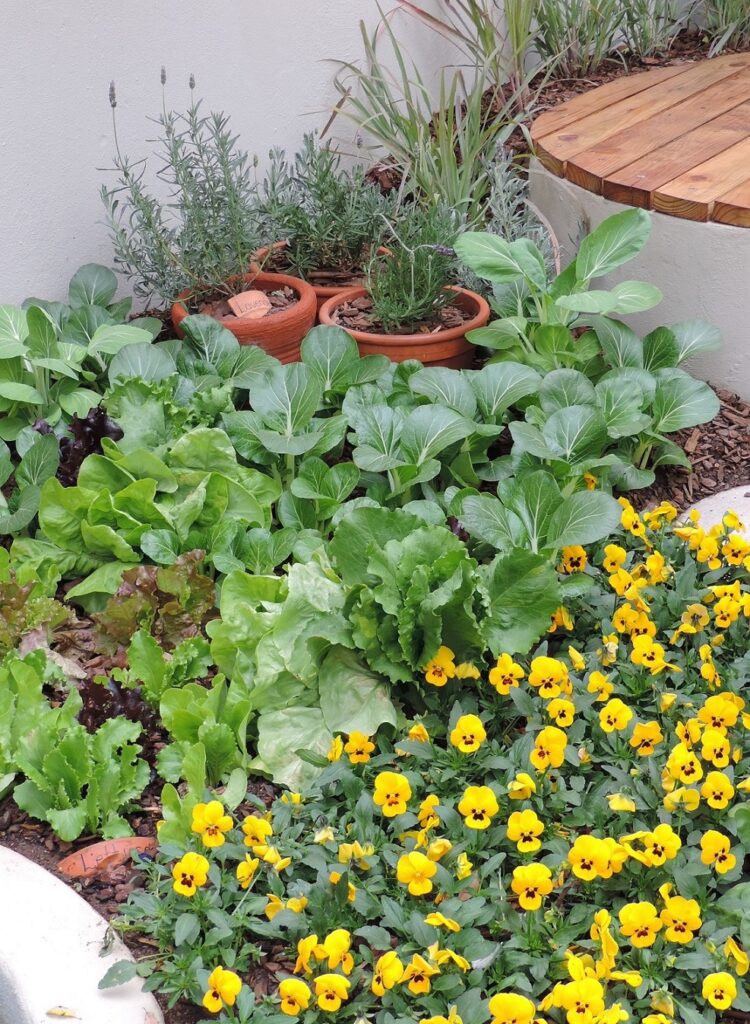
Take your pick from loose leaf lettuce such as Kirchhoffs ‘Salad Mix’, Chinese cabbage ‘Michilli’, spinach ‘Bloomsdale’ (the real spinach), Swiss chard ‘Mixed’ and ‘Green’ mustard.
Chinese cabbage ‘Michilli’ grows like a Cos lettuce but has a fine delicate sweetish flavour with the crunchiness of lettuce. Used fresh in salads or boiled as greens. Leaves can be harvested from 80 days or the whole head from 100 days from sowing.
Spinach ‘Bloomsdale’ is a proper spinach with thick, glossy leaves that are not bitter if harvested young. This heirloom veggie withstands the cold. It can be eaten as baby leaf spinach within 30 days or left to grow to full size.
‘Green’ mustard is a tangy green that’s quick to harvest. The young leaves are great for salads and older leaves are cooked like cabbage. The whole seeds can be pickled or crushed and used as a spice.
So sweet
Garden peas are sweetest when home grown and dwarf varieties like ‘Tom Thumb’ don’t need staking and can be grown in pots or small spaces. They need fertile soil or good quality potting soil if grown in pots. Water regularly, and feed regularly with a liquid fertiliser.
Carrot ‘Parisian’ (RAW) is the ideal baby carrot for pots or small spaces. It is a round, sweet carrot that is quick to harvest, within 50 to 70 days. Like all other carrots, it likes nutrient poor soil, full sun, and regular watering. Its irresistible for kids!
Buy seed online www.gropak.co.za or visit www.kirchhofs.co.za.
Article and images supplied by Alice Spenser-Higgs.